
2026 / SKILLS WORKSHOP
CREDIT Conducts Hands-On 3D Printing Workshop at APU
From CAD modelling to a finished part: practical additive manufacturing and prototyping skills for APU students.
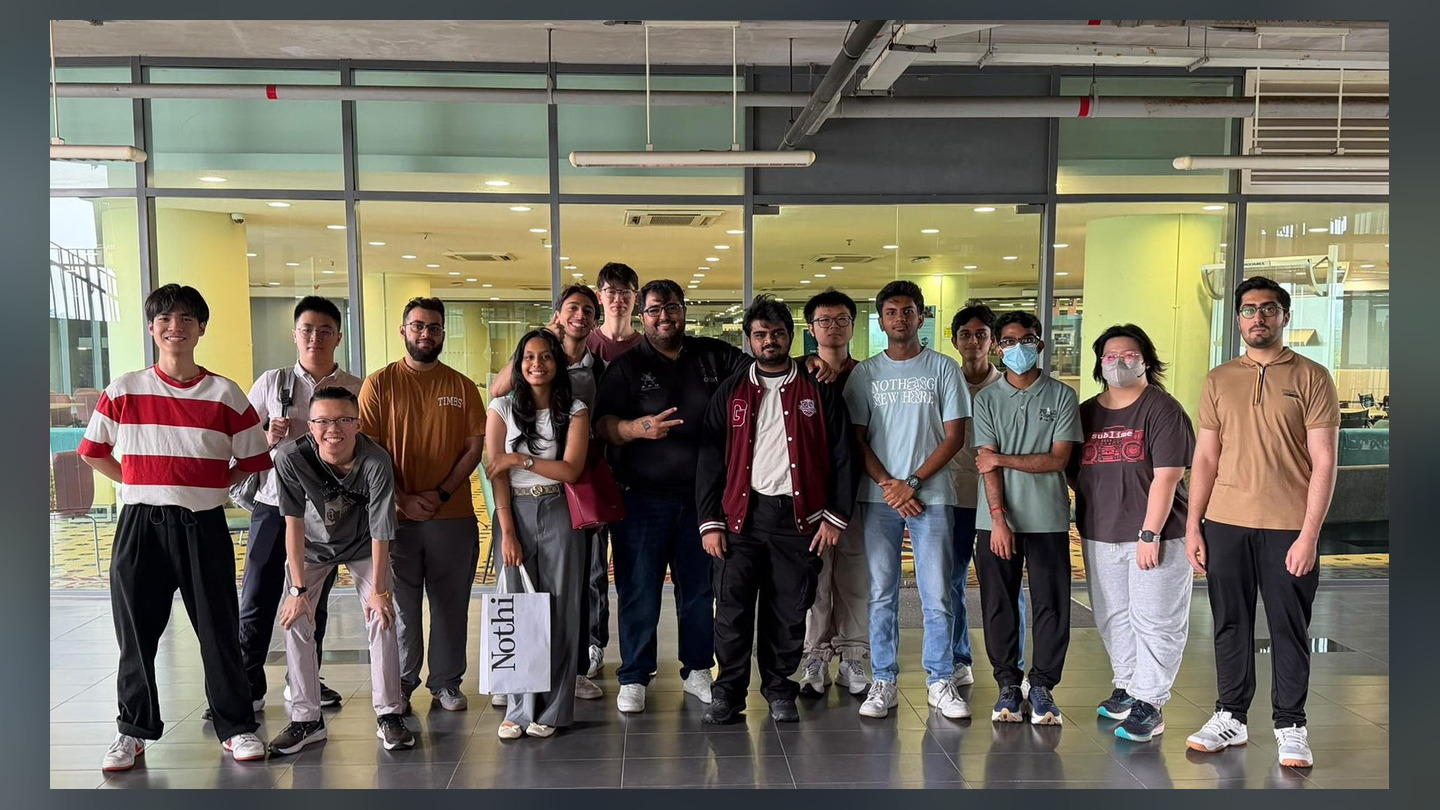
ACTIVITY OVERVIEW
Inside the activity
The Centre for Research and Development of IoT (CREDIT) at Asia Pacific University of Technology & Innovation conducted a hands-on 3D Printing Workshop on 19 September 2026, led by Mr Krishna Ravinchandra.
What happened
The workshop introduced participants to the complete process of transforming a digital CAD model into a physical printed component, with a focus on practical techniques they can apply to student projects and research prototypes.
Photographed by ESHAN MOHAMMED aka TA guru
CREDIT practical workshop
Complete digital-to-physical workflow
Materials, slicing, calibration and post-processing
01 / KNOWLEDGE & DEVELOPMENT
Understanding materials and machine settings
Key highlights
Participants explored fused filament fabrication (FFF/FDM) and common filament types including PLA, PETG, ABS/ASA and TPU. The session explained how material choice affects strength, flexibility, temperature resistance, appearance and surface quality.
Filament storage and moisture control were discussed alongside nozzle temperature, bed temperature and cooling. Participants learned how these factors affect common print defects such as poor layer bonding, warping and stringing.
02 / OUTCOMES & ENGAGEMENT
From SolidWorks to slicing and printing
Impact and next steps
A live workflow demonstrated how to design a basic part in SolidWorks, export the model as an STL file and prepare the model for printing in slicing software.
Mr Krishna reviewed practical settings including part orientation, layer height, walls, infill, supports, print speed, calibration and first-layer inspection. Examples showed how design and process decisions change print quality and the final component.
PHOTO JOURNAL
Moments from the activity
Original event photographs supplied by CREDIT.
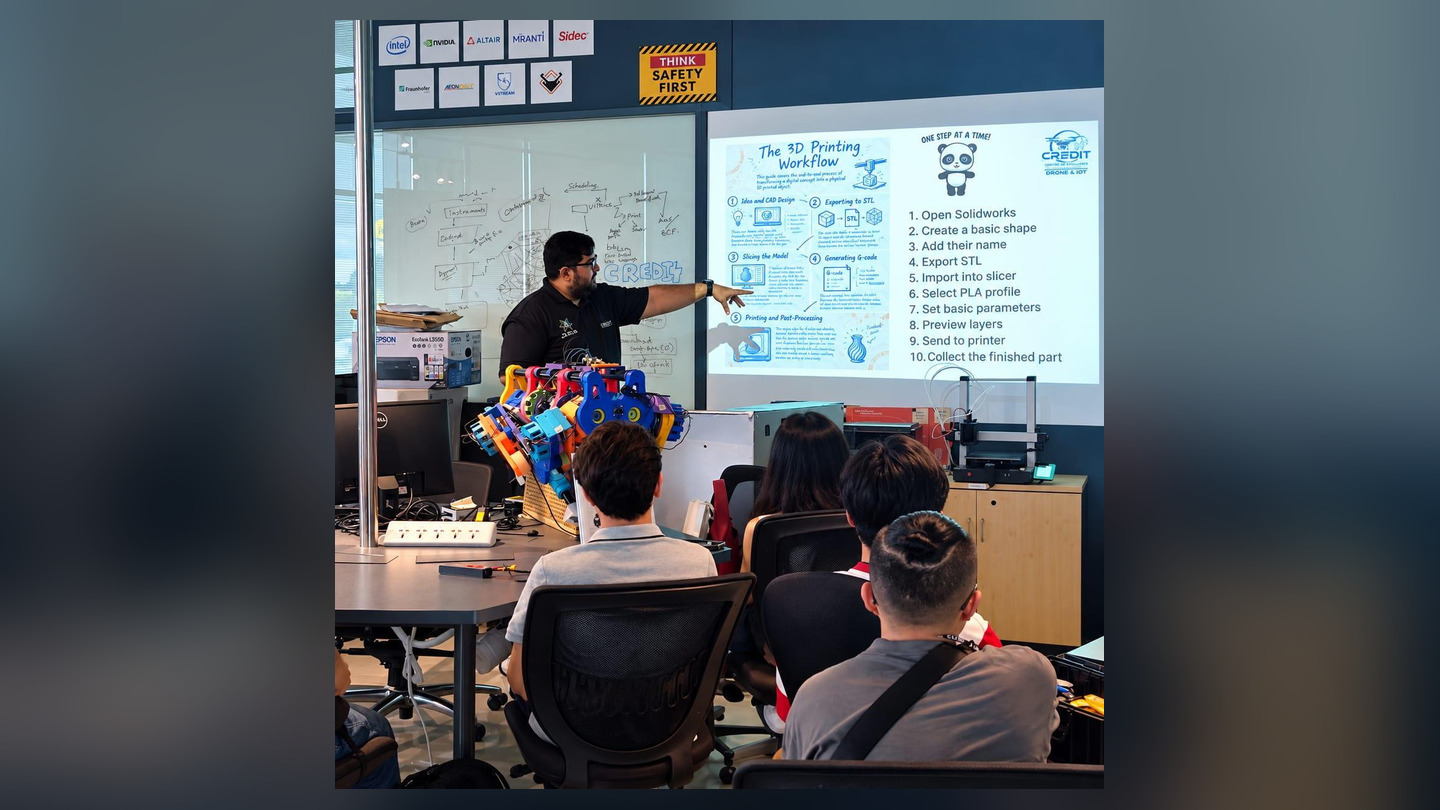
Live explanation of the 3D printing workflow and preparation settings.
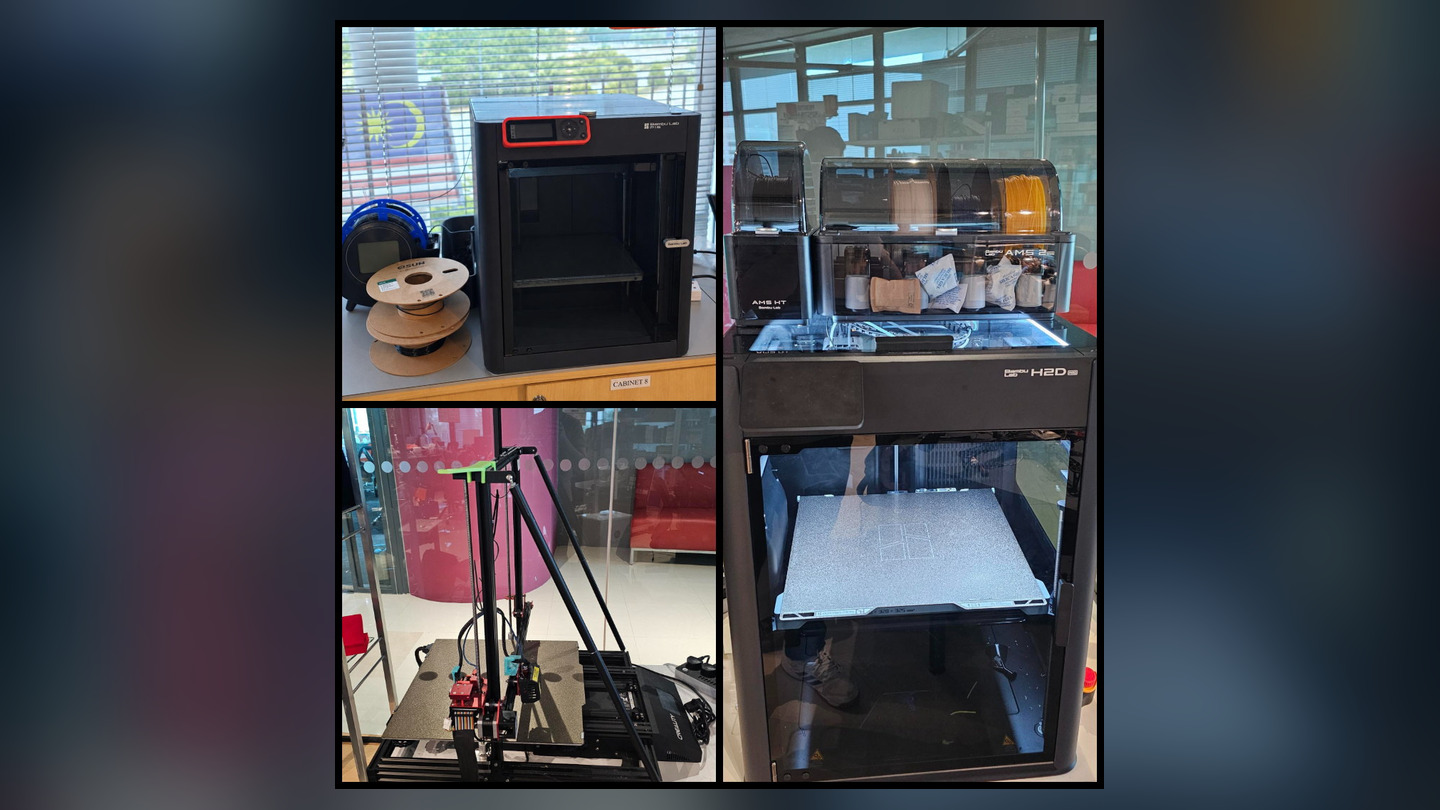
Equipment and printed examples used to demonstrate additive manufacturing processes.
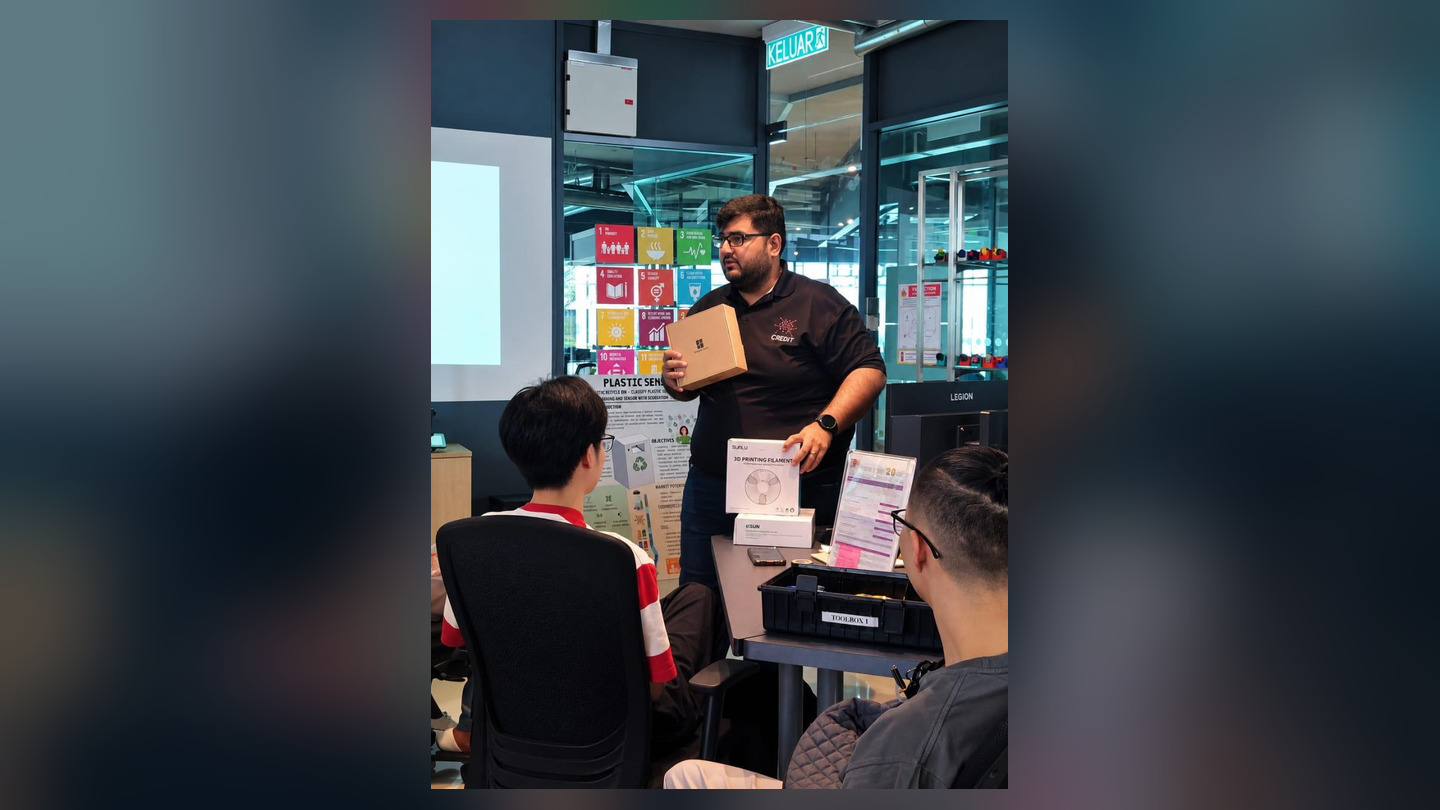
Practical instruction and discussion during the 3D Printing Workshop.